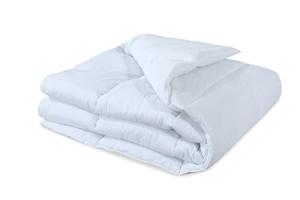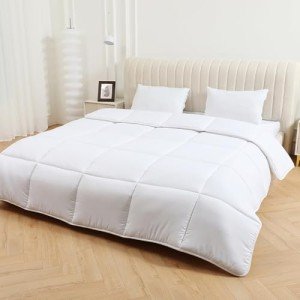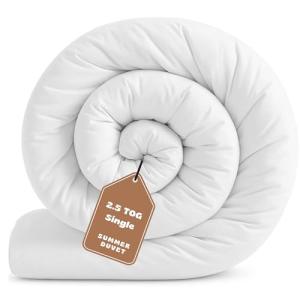

When it comes to creating a comfortable sleeping environment for children, choosing the right duvet is crucial. This is especially true for bunk beds, where space and safety often come into play. Among the various options available on the market, a 2.5 tog single duvet emerges as a fantastic choice. This guide aims to provide a comprehensive overview of 2.5 tog single duvets, particularly focusing on their suitability for bunk beds.
What is a Tog Rating?
Before diving into the specifics of a 2.5 tog duvet, it's essential to understand the tog rating system. Tog ratings measure a duvet's thermal insulation, determining how warm it will keep you during the night. The higher the tog, the warmer the duvet; conversely, a lower tog provides less warmth—ideal for warmer seasons or for those who tend to overheat during sleep.
Tog Range Explained
| Tog Rating | Seasonality | Ideal for |
|---|---|---|
| 1.0 - 2.0 | Summer | Warm nights or children who overheat |
| 2.5 - 4.5 | Spring & Autumn | Transitional seasons |
| 7.0 - 13.5 | Winter | Cold weather or those who feel chilly |
A 2.5 tog duvet falls comfortably within the middle range, making it versatile enough for various climates and ideal for children transitioning from warmer summer nights to cooler autumn evenings.
Advantages of a 2.5 Tog Duvet for Bunk Beds
The selection of a duvet for bunk beds involves several considerations, including space, safety, and comfort. Here are the advantages of opting for a 2.5 tog single duvet in this scenario:
-
Balanced Warmth: The 2.5 tog rating offers just the right amount of warmth without being overly heavy, making it perfect for children who may kick off blankets at night.
-
Lightweight Design: Many 2.5 tog duvets are constructed to be lightweight, ensuring that even younger children can easily manage and rearrange their bedding.
-
Versatility: As the seasons change, a 2.5 tog duvet is suitable for year-round use, particularly in temperate climates. It can also be layered with other bedding during cooler months.
-
Safety Considerations: Bunk beds can pose safety risks, and lighter bedding allows for easier movement. A heavy duvet can be cumbersome and potentially hazardous in the confined space of a bunk bed.
-
Breathability: Quality 2.5 tog duvets are often made from breathable materials, promoting airflow and preventing overheating. This characteristic is particularly beneficial for children, who may be more sensitive to temperature changes during sleep.
Choosing the Right 2.5 Tog Duvet
When selecting the ideal 2.5 tog duvet for a bunk bed, consider the following factors:
Material
The material of the duvet plays a significant role in overall comfort. Common options include:
- Cotton: Offers breathability and softness.
- Polyester: Typically more affordable and easy to care for but may trap more heat.
- Natural Fill: Options like duck down or goose down can provide excellent insulation while remaining lightweight.
Size
Ensure that the duvet is sized appropriately for the bunk bed. A single duvet is ideal for standard-sized bunks, while oversized options might cause entrapment risks.
Maintenance and Care
Duvets with removable, washable covers can ease the process of keeping the bedding fresh and clean. Always check the care instructions, as some materials may require specific cleaning methods.
FAQs
1. Is a 2.5 tog duvet suitable for all seasons?
While a 2.5 tog duvet is versatile for spring and autumn, it may not provide sufficient warmth in colder winter months. It can be used year-round in temperate climates and layered with heavier options during winter.
2. What is the best material for a children's duvet?
Cotton is often recommended for children due to its softness, breathability, and hypoallergenic properties. However, natural fills like down can also provide excellent warmth without excessive weight.
3. How do I wash a 2.5 tog duvet?
Always refer to the care label for specific instructions. Most duvets can be machine washed on a gentle cycle, and ensuring they are fully dry is crucial to prevent mold.
4. Can I use a 2.5 tog duvet in warmer climates?
Yes, a 2.5 tog duvet is appropriate for spring and cooler summer nights but could be too warm for very hot climates. It offers a balance of warmth and breathability.
5. How often should duvets be replaced?
Duvets can last anywhere from 5 to 10 years, depending on usage and care. If a duvet becomes lumpy or loses its loft, it may need replacing sooner.
A cozy 2.5 tog single duvet is an excellent investment for any child’s bunk bed. Offering a balance of warmth, lightweight comfort, and safety, it accommodates the specific needs of children while enhancing their sleeping experience. By taking into account material, size, and care, parents can ensure they choose the perfect duvet that will keep their little ones snug and content during the night. Consider the insights shared in this article to make an informed decision for a restful and peaceful sleep.