Choosing the right material for your bunk bed can make a big difference in style, durability, and safety. Whether you want sturdy metal, classic wood, or a mix of both, there’s a bunk bed that's perfect for your space. Let’s dive into the best options to help you find the ideal bunk bed for your kiddos or guest room!
Bunk Beds By Material
Explore a variety of stylish and durable bunk beds made from different materials to fit your space and lifestyle
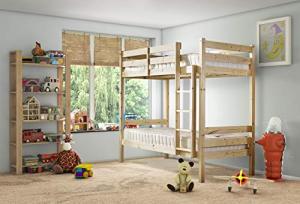
Product List

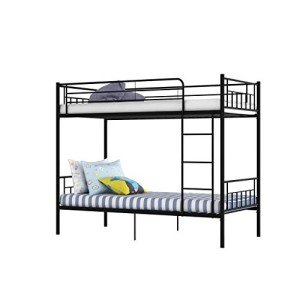
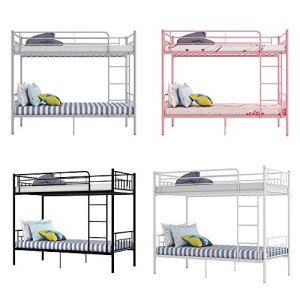
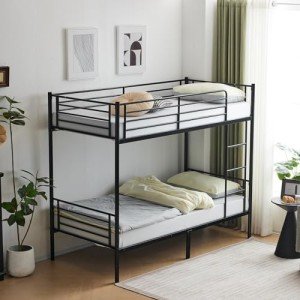
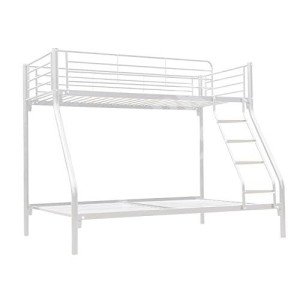
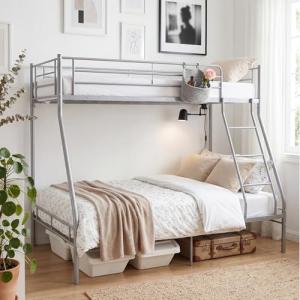
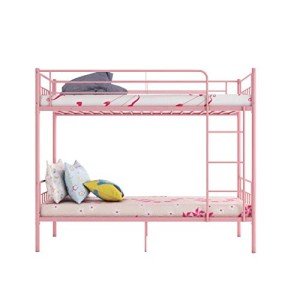
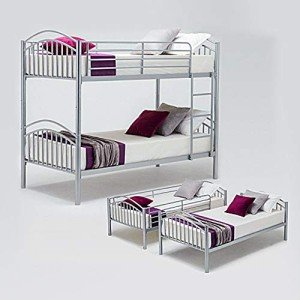
Silver Kids Metal Bunk Bed
Panana
Product Review Score
4.65 out of 5 stars
81 reviews£139.99 £115.99
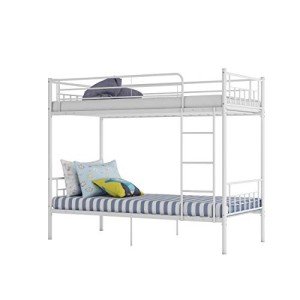
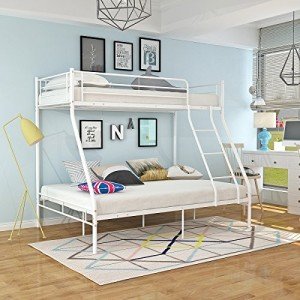
White Triple Metal Bunk Bed
Panana
Product Review Score
4.12 out of 5 stars
52 reviews£139.99 £125.99
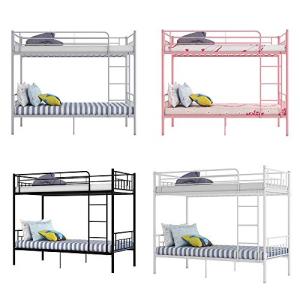
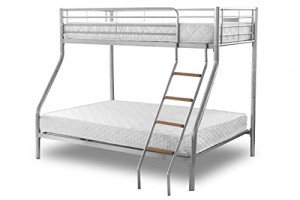
Bunk beds have become a staple in many homes, particularly where space is at a premium. They are not only an innovative solution for maximizing sleeping arrangements in children's rooms, but they also add an element of fun. However, with various materials available, choosing the right bunk bed can be a daunting task. This guide will delve into different materials commonly used in bunk bed construction, their benefits, and drawbacks, as well as considerations for choosing the right bunk bed for your needs.
Bunk Bed Materials Overview
When selecting a bunk bed, the material it is made from plays a crucial role in its durability, style, maintenance, and overall safety. Below is a table summarizing the most common materials used in bunk beds.
| Material | Durability | Maintenance | Aesthetics | Weight Capacity | Cost Range |
|---|---|---|---|---|---|
| Solid Wood | Very High | Low | Natural appeal | High | £300 - £1,200 |
| Engineered Wood | Medium | Medium | Versatile | Medium | £200 - £800 |
| Metal | High | Low | Industrial | Very High | £250 - £1,000 |
| Plastic | Low | High | Colorful | Low | £150 - £400 |
| Composite Wood | Medium | Medium | Various finishes | Medium | £200 - £700 |
1. Solid Wood
Durability: Solid wood is considered one of the most durable materials for bunk beds. Its natural, robust characteristics allow it to withstand heavy usage, making it a favorite among parents.
Maintenance: Wooden bunk beds are generally easy to maintain. Regular dusting and occasional polishing can keep them looking new.
Aesthetics: Solid wood offers a classic and warm look. Various wood types, such as pine, mahogany, or oak, can cater to different design preferences.
Weight Capacity: These beds tend to have a high weight capacity, ensuring safety and stability.
Cost Range: Depending on the wood type, solid wood bunk beds can be on the pricier side, typically ranging from £300 to £1,200.
2. Engineered Wood
Durability: Engineered wood, which includes plywood and MDF (Medium-Density Fiberboard), is less durable than solid wood but still offers reasonable longevity.
Maintenance: This material requires moderate maintenance. Cleaning with a damp cloth is often sufficient, but caution should be taken to avoid moisture damage.
Aesthetics: Engineered wood can be finished in various styles and colors, giving it a versatile appeal.
Weight Capacity: These beds have a medium weight capacity, which makes them suitable for kids and lightweight adults.
Cost Range: Engineered wood bunk beds are generally more affordable, ranging from £200 to £800.
3. Metal
Durability: Metal bunk beds are known for their exceptional durability. They withstand wear and tear better than wood and can last for years.
Maintenance: Minimal maintenance is required; a quick wipe-down is usually all that's needed to keep them clean.
Aesthetics: Metal bunk beds typically offer an industrial or modern aesthetic. They come in various colors and styles, catering to diverse tastes.
Weight Capacity: These beds can accommodate a very high weight capacity, making them suitable for various body types.
Cost Range: The price for metal bunk beds varies widely, starting from £250 and going up to £1,000, depending on design and brand.
4. Plastic
Durability: Plastic bunk beds are less durable compared to wood and metal options. They can be more prone to wear, especially under heavy use.
Maintenance: They are easy to maintain, requiring just a quick wash with mild soap and water.
Aesthetics: Plastic bunk beds often feature bright colors and fun designs, making them an attractiveness option for younger kids.
Weight Capacity: Generally, plastic bunk beds are designed for lighter weights; thus, they may not be the best choice for older children or adults.
Cost Range: These are the most budget-friendly options you can find, ranging from £150 to £400.
5. Composite Wood
Durability: Composite wood is durable but can vary depending on the quality. It combines strength with affordability.
Maintenance: Similar to engineered wood, regular cleaning is all that's needed for upkeep.
Aesthetics: Composite wood can mimic the look of solid wood and comes in a variety of styles and finishes.
Weight Capacity: Composite wood bunk beds have a medium weight capacity.
Cost Range: Prices for composite wood bunk beds fall between £200 and £700.
Choosing the Right Bunk Bed Material
When selecting a bunk bed, understanding the unique characteristics of each material will help narrow down the options. Here are some factors to consider:
-
Space Availability: Evaluate your room size to determine what type of bunk bed will fit best without making the space feel cramped.
-
User Age: Consider the age of the users. Metal or solid wood beds are great for older children and adults, while plastic might be suitable for younger kids.
-
Aesthetic Preferences: Choose a material that complements your home's interior design.
-
Budget: Set a budget beforehand. Solid wood is often the most expensive, while plastic offers the lowest cost.
-
Safety Features: Ensure the selected bunk bed meets safety standards, particularly in sturdiness and weight capacity.
Frequently Asked Questions (FAQs)
1. Is a solid wood bunk bed safer than a metal bunk bed?
Both solid wood and metal bunk beds can be safe as long as they are built to code and assembled correctly. Weight distribution and stability are key factors in safety.
2. Can bunk beds be used for adults?
Yes, although not all bunk beds are designed for adult use. It's essential to check the weight capacity and size before purchasing.
3. How can I maintain my bunk bed?
Maintenance typically involves regular dusting and cleaning with a damp cloth. Avoid harsh chemicals that can damage the finish.
4. Are bunk beds easy to assemble?
Most bunk beds come with assembly instructions, and while the process can be straightforward, it may require two people to ensure stability and safety.
5. What are some safety tips for using a bunk bed?
- Use guardrails on the top bunk.
- Do not allow children under 6 years of age on the top bunk.
- Ensure the ladder is securely attached and used correctly.
In conclusion, selecting the right bunk bed comes down to understanding the various materials available and their specific attributes. By considering durability, aesthetics, maintenance, user requirements, and budget, you can make an informed decision that meets your needs while enhancing the living space.