Finding the right mattress for your bunk bed is key for a good night's sleep. Whether you're looking for memory foam for that cozy hug or a spring mattress for support, there's a perfect fit just waiting for you. Let’s help you discover the best options so everyone gets the rest they need and wakes up ready for the day!
Mattresses By Type
Find the perfect mattress for your bunk bed to ensure a cozy and restful sleep
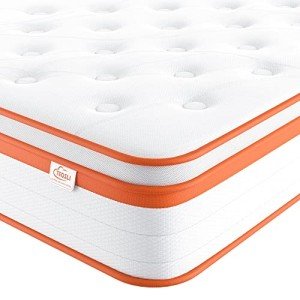
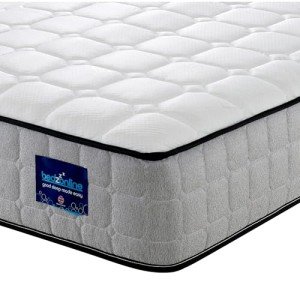
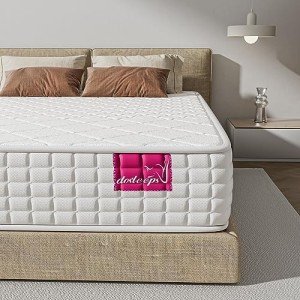
Product List
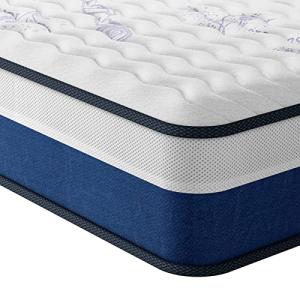
Vesgantti 10" Hybrid Mattress
Vesgantti
Product Review Score
4.54 out of 5 stars
113 reviews$294.75 $174.17
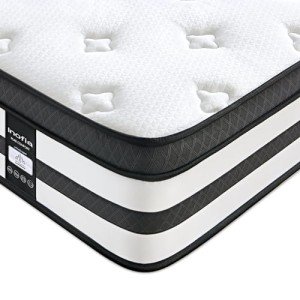
Inofia King Memory Foam Mattress
Inofia
Product Review Score
4.69 out of 5 stars
96 reviews$442.14 $292.74
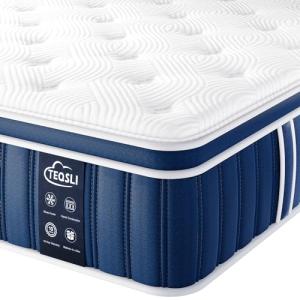
TeQsli Double Memory Foam Mattress
TeQsli
Product Review Score
4.96 out of 5 stars
50 reviews$227.76 $160.77
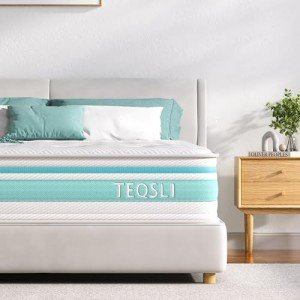
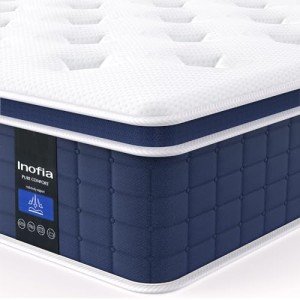
Inofia Double Memory Foam Mattress
Inofia
Product Review Score
4.17 out of 5 stars
94 reviews$227.76
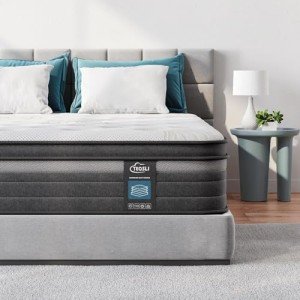
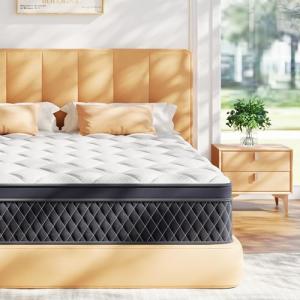
ELEMUSE Double Memory Foam Mattress
Elemuse
Product Review Score
4.14 out of 5 stars
103 reviews$245.78
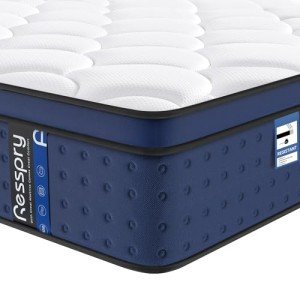
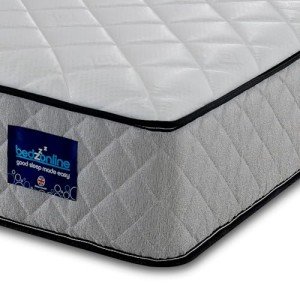
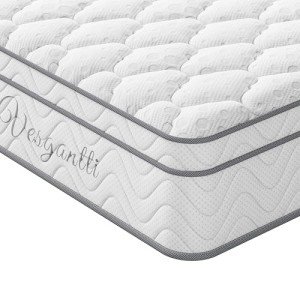
Vesgantti Hybrid Double Mattress
Vesgantti
Product Review Score
4.51 out of 5 stars
74 reviews$348.35 $182.18
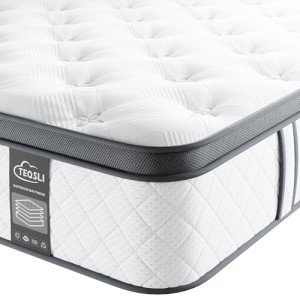
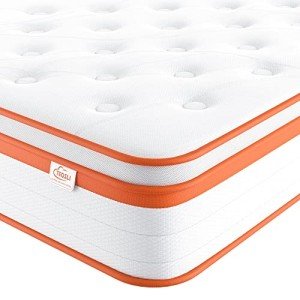
Finding the perfect mattress can significantly enhance your sleep quality, yet with a variety of options available, the process can feel overwhelming. This guide breaks down the most common types of mattresses available on the market today. Each type has its unique characteristics, benefits, and drawbacks. By the end of this post, you’ll have a clear understanding of which mattress type might be the best fit for your sleeping preferences.
Table of Contents
- Introduction to Mattress Types
- Types of Mattresses
- Innerspring Mattresses
- Memory Foam Mattresses
- Latex Mattresses
- Hybrid Mattresses
- Air Mattresses
- Comparative Table of Mattress Types
- Factors to Consider When Choosing a Mattress
- FAQs
- Conclusion
1. Introduction to Mattress Types
In recent years, sleep science has underscored the critical role of a good mattress in ensuring quality rest. As people become more aware of the importance of sleep, the market has expanded to offer numerous options tailored to individual needs and preferences. Below, we delve into the diverse types of mattresses, examining their compositions, benefits, and ideal uses.
2. Types of Mattresses
Innerspring Mattresses
Innerspring mattresses are the traditional choice, featuring a core of steel coils for support. They often come with layers of padding or upholstery on top.
Pros:
- Breathable, providing good airflow
- Firm support for the body
- Often more affordable than foam options
Cons:
- Can wear out faster than other types
- May not contour well to the body
Memory Foam Mattresses
Memory foam mattresses are made of viscoelastic foam that adapts to the sleeper's body shape. Their design helps relieve pressure points and ensures even weight distribution.
Pros:
- Excellent motion isolation, ideal for couples
- Contours to the body for personalized support
- Reduces pressure points and enhances comfort
Cons:
- Can retain heat, making them unsuitable for hot sleepers
- Some people may find them too soft
Latex Mattresses
Latex mattresses can either be made from natural latex derived from rubber trees or synthetic latex. They offer a resilient and buoyant sleeping surface.
Pros:
- Durable and long-lasting
- Naturally resistant to dust mites and mold
- Good thermoregulation, keeping sleepers cool
Cons:
- Generally more expensive
- Heavier than other types, complicating movement
Hybrid Mattresses
Hybrid mattresses combine the support of innerspring coils with the comfort of foam or latex on top. This combination is designed to offer the best of both worlds.
Pros:
- Balanced support and comfort
- Good for various sleeping positions
- Better airflow than pure foam mattresses
Cons:
- Can be heavy and difficult to move
- Price can be on the higher end
Air Mattresses
Air mattresses are adjustable, featuring air chambers for customizable firmness. They are often used for temporary sleeping arrangements or camping.
Pros:
- Adjustable firmness levels
- Lightweight and portable
- Can be deflated for easy storage
Cons:
- Not ideal for long-term use due to durability concerns
- Can leak air over time
3. Comparative Table of Mattress Types
| Type | Support | Comfort | Durability | Price Range | Best For |
|---|---|---|---|---|---|
| Innerspring | Firm | Moderate | Moderate | £300 - £800 | Budget-conscious shoppers |
| Memory Foam | Contouring | High | Moderate | £500 - £2,000 | Side sleepers and couples |
| Latex | Firm/Bouncy | High | High | £800 - £2,500 | Eco-conscious individuals |
| Hybrid | Balanced | High | High | £600 - £3,000 | Versatile needs |
| Air | Adjustable | Variable | Low | £200 - £1,500 | Temporary use |
4. Factors to Consider When Choosing a Mattress
When selecting a mattress, consider the following factors to ensure that it aligns with your sleep preferences and lifestyle:
-
Sleeping Position:
- Side sleepers may prefer softer mattresses for better contouring.
- Back sleepers often benefit from medium-firm options.
- Stomach sleepers usually need a firmer mattress to prevent hip sinking.
-
Body Weight:
- Lighter individuals may find softer mattresses comfortable, while heavier sleepers often require firmer options for adequate support.
-
Temperature Control:
- Hot sleepers might want breathable materials like latex or hybrid mattresses, which promote airflow.
-
Allergies:
- Hypoallergenic materials, such as latex, can benefit those with allergies.
-
Budget:
- Establish a budget before shopping and remember that investing in a quality mattress can improve sleep longevity.
5. FAQs
Q1: How often should I replace my mattress?
A: Typically, mattresses should be replaced every 7 to 10 years, depending on the material and wear patterns.
Q2: What firmness level is best for me?
A: Firmness is subjective and should align with your sleeping position, body weight, and personal preference. Testing a mattress can help you determine what feels right.
Q3: Are hybrid mattresses better than memory foam?
A: This depends on personal preference. Hybrid mattresses offer a balance of support and comfort from both innerspring and foam, while memory foam offers a contoured, plush experience.
Q4: Can an air mattress be used as a permanent solution?
A: Although air mattresses are convenient for temporary use, they may not provide the support needed for long-term sleep.
Q5: What is the best mattress type for couples?
A: Memory foam or hybrid mattresses are often considered best for couples due to their excellent motion isolation properties.
6. Conclusion
With a plethora of mattress options available, it’s essential to find the one that best suits your personal sleeping style and comfort preferences. By understanding the unique features and benefits of each mattress type, consumers can make informed decisions that enhance their sleep quality. Whether you prioritize support, comfort, breathability, or affordability, the right mattress awaits, promising a restful night and a refreshing start to the day.