A 13.5 tog duvet is perfect for keeping cozy during those chilly nights, especially if you've got a bunk bed. It offers just the right amount of warmth without feeling too heavy or suffocating. Plus, it’s super snuggly, making bedtime something to look forward to.
13.5 Tog Duvets
Snuggle up in comfort with our cozy and warm 13.5 Tog duvets perfect for chilly nights
Product List
35 products

%
off

Silentnight Winter Duvet 13.5 Tog
Amazon
Dropped
Product Review Score
4.75 out of 5 stars
(156)RRP
23
%
off
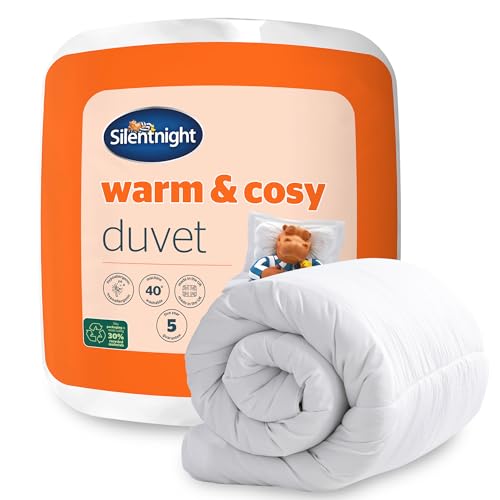
Silentnight Double Winter Duvet
Amazon
Checked
Product Review Score
4.46 out of 5 stars
(204)RRP £36.00

15
%
off

Warm Double Duvet Comfort
Lowest we've seen
Amazon
Dropped
Product Review Score
4.58 out of 5 stars
(15)RRP £22.95


%
off

Silentnight Thick Double Duvet
Amazon
Checked
Product Review Score
4.85 out of 5 stars
(134)RRP

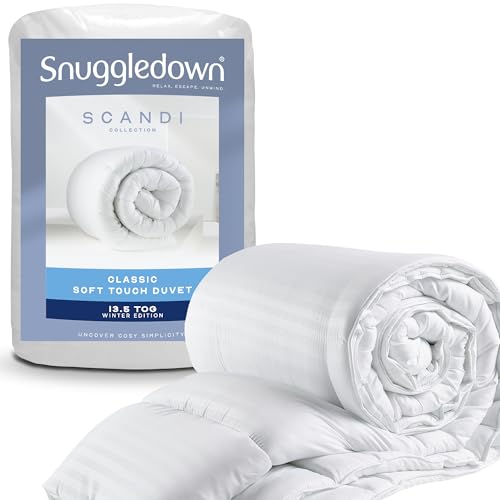
When it comes to achieving a restorative night’s sleep, the bedding you choose plays a critical role. Among the various thermal grades available on the market, the 13.5 tog duvet stands out as the ultimate heavyweight champion for colder climates. Often referred to as the standard winter duvet, it is designed to keep sleepers cozy when the temperature drops.
This comprehensive guide explores everything you need to know about 13.5 tog duvets, helping you decide if this is the right option for your bedroom.
What Does "Tog" Actually Mean?
Before diving into the specifics of a 13.5 tog rating, it is helpful to understand what the term actually means. TOG stands for Thermal Overall Grade. It is a unit of measurement for thermal resistance—essentially, how well a duvet traps heat.
The higher the tog rating, the more heat the duvet retains, and the warmer you will feel. Tog ratings typically range from 1.5 (very cool, ideal for peak summer) up to 15.0 (extremely warm, though rarely needed in modern centrally heated homes).
Quick Tog Guide:
- 1.0 – 4.5 Tog: Summer months, hot sleepers, or warm climates.
- 7.5 – 10.5 Tog: Spring and autumn, or all-year-round use for average sleepers.
- 12.0 – 13.5 Tog: Winter months, cold bedrooms, or individuals who easily feel the chill.
Why Choose a 13.5 Tog Duvet?
A 13.5 tog duvet sits comfortably at the upper end of the standard warmth scale. For many households, it is the go-to winter bedding option. Here are the primary reasons people choose a 13.5 tog duvet:
- Superior Warmth: It provides exceptional insulation, making freezing winter nights much more comfortable.
- Energy Efficiency: By wrapping yourself in a warm duvet, you can turn down your bedroom thermostat at night, potentially saving on winter heating bills.
- Cozy Comfort: There is a distinct psychological and physical comfort associated with the weight and warmth of a heavier winter duvet.
- Ideal for Unheated Rooms: If bedrooms lack reliable central heating or feature single-glazed windows, a 13.5 tog rating helps compensate for ambient chill.
Comparing Duvet Tog Ratings
To help visualize where the 13.5 tog sits in the broader spectrum of bedding, consider the following comparison:
| Tog Rating | Recommended Season | Best Suited For |
|---|---|---|
| 4.5 Tog | Summer | Hot sleepers, warm summer nights |
| 10.5 Tog | Spring / Autumn | Transitional weather, moderate sleepers |
| 13.5 Tog | Winter | Cold sleepers, winter months, unheated rooms |
| 15.0 Tog | Deep Winter | Extreme cold environments only |
Filling Materials: What’s Inside a 13.5 Tog Duvet?
A 13.5 tog rating can be achieved using various fillings. The filling not only affects warmth and weight but also breathability, price, and hypoallergenic properties.
- Microfibre / Hollowfibre (Synthetic):
- Pros: Affordable, lightweight, easy to wash, and naturally hypoallergenic (great for allergy sufferers).
- Cons: Less breathable than natural fillings; may trap moisture.
- Feather and Down (Natural):
- Pros: Luxuriously soft, highly breathable, excellent temperature regulation, and exceptionally durable.
- Cons: More expensive; requires professional cleaning or careful laundering; not suitable for those with feather allergies.
- Wool / Bamboo (Eco-Friendly Alternatives):
- Pros: Naturally temperature-regulating, moisture-wicking, and hypoallergenic.
- Cons: Can feel heavier than down; higher price point.
Who Should Not Use a 13.5 Tog Duvet?
While a 13.5 tog duvet is a winter essential for many, it is not universally suitable. Certain sleepers may find it overly warm or heavy:
- Hot Sleepers: Individuals who naturally run hot or suffer from night sweats will likely overheat under a 13.5 tog duvet, leading to disrupted sleep.
- Children and Toddlers: Young children and toddlers cannot regulate their body temperature as effectively as adults. Using a high tog duvet on a young child poses an overheating risk. (The Sleep Council recommends duvets under 4.5 tog for children under the age of three).
- Those in Mild Climates: If winters in your region are mild, a 13.5 tog duvet may sit unused for most of the year. An all-seasons combination duvet or a 10.5 tog option might be more practical.
Tips for Maintaining Your 13.5 Tog Duvet
Because a 13.5 tog duvet is thicker and contains more filling, proper care is essential to extend its lifespan and maintain hygiene:
- Air It Out Regularly: When changing your bed sheets, leave the duvet uncovered for an hour to let trapped moisture escape.
- Wash According to Instructions: Check the care label. Many synthetic 13.5 tog duvets fit into large domestic washing machines, but thicker natural fillings often require professional laundering.
- Use a Quality Protector: A good duvet cover and protector shield the duvet from sweat, dust mites, and stains.
- Replace When Necessary: Over time, fillings clump and lose their insulating properties. Synthetic duvets generally last 2–5 years, while high-quality natural duvets can last 5–10 years or more.
Frequently Asked Questions (FAQ)
1. Is a 13.5 tog duvet too hot for summer?
Yes, for the vast majority of people, a 13.5 tog duvet will be far too warm during the summer months. It is specifically engineered to retain high levels of heat, which can lead to overheating and night sweats in warm weather.
2. Can I use a 13.5 tog duvet all year round?
While some people in particularly cold climates use a 13.5 tog duvet year-round, most find it too warm for spring and summer. If you want a versatile solution, consider an "all-seasons" duvet set, which typically combines a 4.5 tog and a 9.0 tog duvet that can be clipped together to make 13.5 tog in the winter.
3. Are 13.5 tog duvets heavy?
The weight depends largely on the filling. Synthetic microfibre 13.5 tog duvets can remain relatively light and fluffy. However, natural feather and down fillings at a 13.5 tog rating can feel substantially heavier, which many sleepers enjoy for its comforting "weighted" feel.
4. What is the best tog rating for children?
Children should use lower tog ratings. For toddlers (over 12 months), a lightweight duvet of 3.0 to 4.5 tog is recommended to prevent overheating. As they grow older, you can gradually increase this, saving 13.5 tog duvets for their teenage or adult years.
5. Do synthetic 13.5 tog duvets cause allergies?
Most synthetic 13.5 tog duvets (made from hollowfibre or microfibre) are treated to be hypoallergenic, making them an excellent choice for allergy sufferers. Be sure to look for labels indicating anti-allergy treatments if you are sensitive to dust mites.
The 13.5 tog duvet is a winter staple designed to provide maximum warmth and comfort during the coldest months of the year. By understanding your own sleeping habits, home environment, and personal preferences regarding filling materials, you can select the perfect 13.5 tog duvet to ensure you stay snug, warm, and well-rested all winter long.