Single bunk beds are a fantastic choice for maximizing space in any room. They’re perfect for kids sharing a room or for sleepovers with friends. Plus, their unique design adds a fun touch while keeping things cozy and organized.
Single Bunk Beds
Perfect space-saving solutions for kids and guests to sleep comfortably
Product List
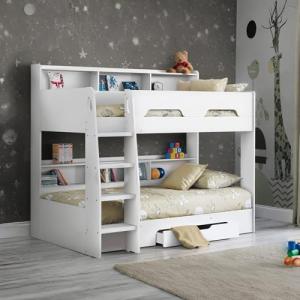
White Orion Bunk Bed
Julian Bowen
Product Review Score
4.7 out of 5 stars
48 reviews£590.00 £504.95
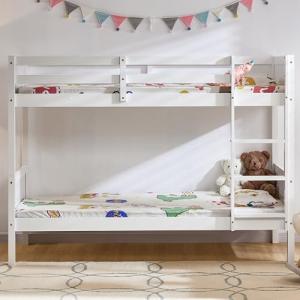
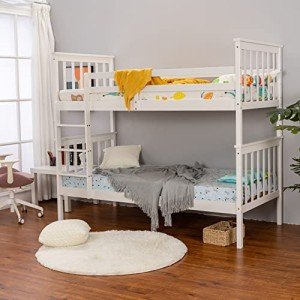
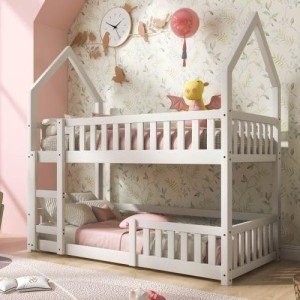
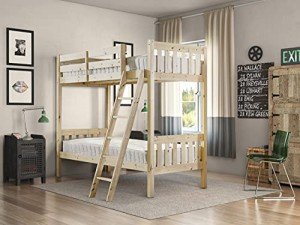
Aspen Solid Pine Bunk Bed
Strictly Beds And Bunks Ltd
Product Review Score
4.99 out of 5 stars
139 reviews£299.95
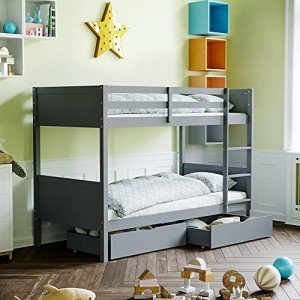
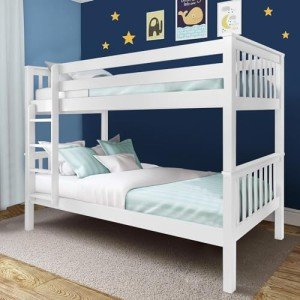
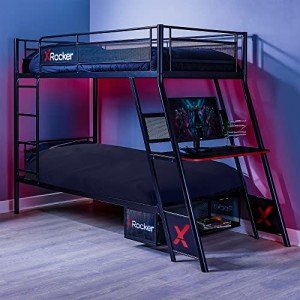
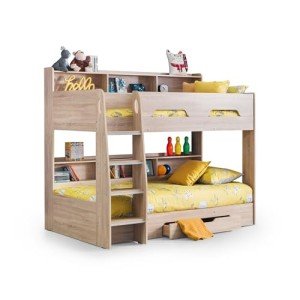
Sonoma Oak Bunk Bed
Julian Bowen
Product Review Score
4.53 out of 5 stars
13 reviews£590.00 £454.99
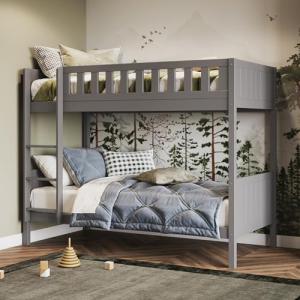
Grey Wooden Kids Bunk Bed
Flair Furnishings
Product Review Score
4.77 out of 5 stars
12 reviews£229.99 £219.99
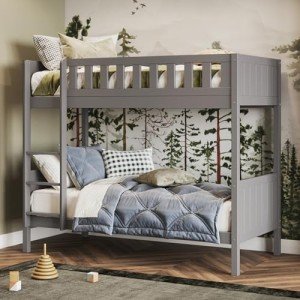
Grey Shorty Kids Bunk Bed
Flair Furnishings
Product Review Score
4.17 out of 5 stars
179 reviews£209.99
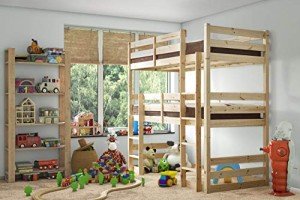
Raised Twin Bunk Bed
Strictly Beds And Bunks Ltd
Product Review Score
4.52 out of 5 stars
183 reviews£299.95
In today's fast-paced world where urban living often confines families to smaller spaces, maximizing available square footage becomes essential. One of the best solutions to this challenge is single bunk beds. Offering both functionality and style, these beds provide a versatile sleeping arrangement for kids, guests, or even adults. In this guide, we will explore the various types, benefits, and considerations of single bunk beds, along with maintenance tips and frequently asked questions.
What are Single Bunk Beds?
Single bunk beds refer to a two-bed configuration where one bed is stacked directly above another. Unlike double or full-size bunk beds, single bunk beds are tailored for single sleepers, typically utilizing twin-size mattresses. This form of bedding is popular in children's rooms, dormitories, and even small guest accommodations.
Types of Single Bunk Beds
Single bunk beds come in various designs and materials, each serving different needs and aesthetics. Below are some popular types:
| Type | Description | Best For |
|---|---|---|
| Traditional Bunk Bed | Features a top and bottom bunk with a sturdy frame. | Kids’ rooms, shared spaces |
| L-shaped Bunk Bed | The beds form an L-shape, with one bed perpendicular to the other. | Smaller rooms, maximizing floor space |
| Loft Bed | The upper bunk is raised, leaving space underneath for storage or a desk. | Students, multi-purpose rooms |
| Futon Bunk Bed | Combines a futon on the bottom with a bunk on top. | Smaller rooms needing dual functionality |
| Wooden Bunk Bed | Crafted from solid wood, offering durability and classic aesthetics. | Traditional or rustic-themed rooms |
| Metal Bunk Bed | Made from metal, often lighter and more modern in design. | Contemporary styled rooms, easy mobility |
Benefits of Single Bunk Beds
Single bunk beds are not just a trendy choice; they come with several advantages that make them desirable in various settings:
1. Space-Saving Design
Single bunk beds are ideal for maximizing floor space. By stacking beds, families can make room for other essential furniture and belongings.
2. Versatile Functionality
With various designs available, single bunk beds can fit multiple needs. For instance, lofted bunk beds can create room for a study area underneath.
3. Economical
Purchasing a single bunk bed can often be more cost-effective than buying two separate beds, particularly if space and storage options are taken into account.
4. Develops Independence
For children, using a bunk bed can foster independence, allowing them to navigate their sleeping arrangements and engage in their space.
5. Offers Variety
With different styles and materials available, single bunk beds can complement any room aesthetic, from minimalist designs to more ornate styles.
Considerations When Choosing a Single Bunk Bed
Selecting the right single bunk bed involves several factors. Below are key considerations to keep in mind:
1. Safety
Safety should always be the prime focus, especially with children involved. Look for features like guardrails, sturdy ladders, and a weight limit that fits your needs.
2. Material Quality
Choose strong materials for durability—either solid wood or high-quality metal. Ensure that slats and supports are robust enough to handle daily use.
3. Space Constraints
Measure your available space carefully before buying. Ensure there’s room not just for the bed but also for any additional furniture and walking pathways.
4. Mattress Compatibility
Most single bunk beds fit standard twin-sized mattresses, but verify size specifications to avoid the issue of ill-fitting mattresses.
5. Aesthetic Appeal
Consider how your choice of color and design will blend or contrast with existing room décor.
Maintenance and Care Tips
To prolong the life of single bunk beds, proper maintenance is essential. Below are formatted tips for keeping them in great condition:
- Regular Inspections: Check for loose screws and fittings at least once a month, particularly for the support structures.
- Cleaning: Dust the frame weekly, and use a damp cloth for spills to avoid permanent stains.
- Mattress Care: Rotate and flip mattresses regularly to maintain even wear. Consider waterproof mattress protectors to prevent damage from liquids.
- Storage Solutions: Encourage organized storage under the bottom bunk to keep the space clutter-free, enhancing the bunk bed's utility.
FAQ About Single Bunk Beds
Q1: How much weight can a single bunk bed hold?
A1: The weight limit varies by design and manufacturer, but most can support between 200 to 400 pounds on the upper bunk. Check specific product documentation for accurate information.
Q2: What is the recommended age for kids to sleep on the top bunk?
A2: Generally, children aged 6 years and older are considered safe to sleep on top bunks, but adult supervision is advised for younger children.
Q3: Can I convert a single bunk bed into two separate beds?
A3: Many models allow easy disassembly, transforming the bunk bed setup into two individual beds. Check product specifications for details.
Q4: How do I prevent my child from falling out of the top bunk?
A4: Ensure that the bunk bed has guardrails that extend at least 5 inches above the mattress level and position the bed away from walls or windows, if possible.
Q5: Are there any specific assembly instructions for single bunk beds?
A5: Each manufacturer has unique assembly guidelines. Always refer to the provided manual, and consider professional assembly if you’re unsure or find the process daunting.
Single bunk beds present a unique solution for maximizing space while providing a comfortable sleeping environment. With various designs, materials, and configurations available, these beds can suit a range of ages, preferences, and room styles. By considering safety, maintenance, and quality before making a purchase, families can enjoy the benefits of single bunk beds in their homes for years to come. With careful planning, they can open up new possibilities for space management, inviting style, and functional living.