Finding the right mattress for your single bed can make all the difference in getting a good night's sleep. We offer a variety of options, from memory foam to innerspring, so you can choose what feels best for you. Invest in a comfy mattress that keeps you cozy and supports your body to wake up refreshed each morning.
Single Bed Mattresses
Comfortable mattresses designed to fit perfectly on your single bed for a restful night's sleep
Product List
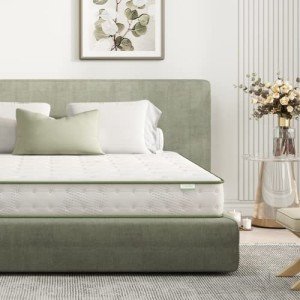
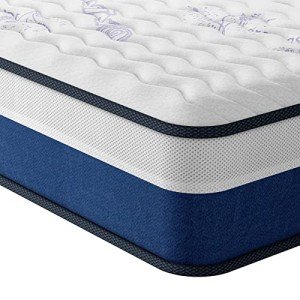
Novilla 7-Inch Gel Mattress
Novilla
Product Review Score
4.58 out of 5 stars
125 reviews$165.30 $131.37
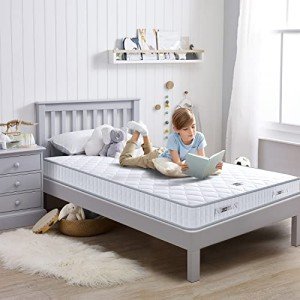
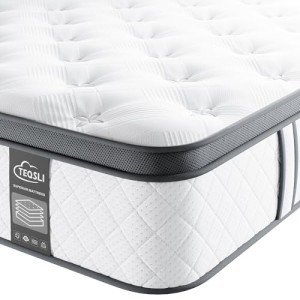
TeQsli Twin Gel Mattress
TeQsli
Product Review Score
4.45 out of 5 stars
125 reviews$173.65 $114.34
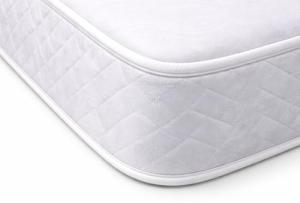

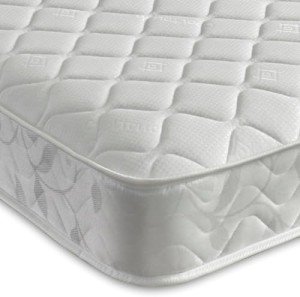
Affordable 3FT Hydro Mattress
Bedzonline
Product Review Score
4.84 out of 5 stars
119 reviews$86.90 $67.05
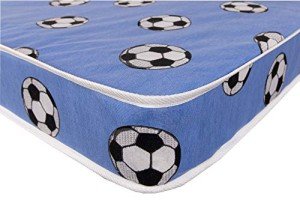
Blue Football Bunk Mattress
Extreme Comfort Ltd
Product Review Score
4.59 out of 5 stars
214 reviews$73.75
Kids Bunk Bed Mattress 6.5
Extreme Comfort Ltd
Product Review Score
4.28 out of 5 stars
19 reviews$73.75
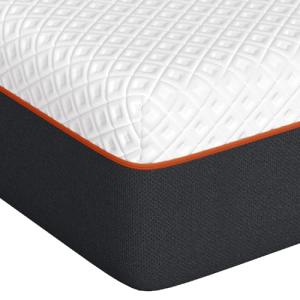
Good Nite Memory Foam Mattress
Good Nite
Product Review Score
4.27 out of 5 stars
36 reviews$109.97
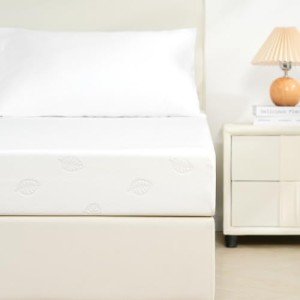

When it comes to selecting the perfect mattress, various factors such as size, material, and individual needs play a significant role in ensuring a comfortable night's sleep. This is especially true for single bed mattresses, often preferred in smaller spaces like children's rooms, guest rooms, or studios. This guide delves deep into the world of single bed mattresses, exploring their types, features, and proper maintenance to help consumers make informed decisions.
What is a Single Bed Mattress?
A single bed mattress, also known as a twin mattress, typically measures 38 inches by 75 inches. Designed for one person, these mattresses provide adequate support without taking up too much space. They are ideal for kids' rooms, small apartments, or as a guest bed.
Advantages of Single Bed Mattresses
| Advantages | Description |
|---|---|
| Space-saving | Fits well in compact living areas and smaller bedrooms. |
| Affordability | Generally less expensive than larger mattresses. |
| Versatility | Can be used in various settings, such as children's rooms or guest areas. |
| Comfort for one | Designed to cater to the needs of a single sleeper. |
Types of Single Bed Mattresses
Understanding the various types of single bed mattresses available can significantly influence purchasing decisions. Below is a comprehensive overview of the top mattress types:
| Type | Description | Pros | Cons |
|---|---|---|---|
| Innerspring | Made with a coil support system that provides a bouncier feel. | Excellent support and breathability. | Can be noisy and not as effective at isolating motion. |
| Memory Foam | Composed of viscoelastic foam that molds to the sleeper's body. | Provides excellent pressure relief. | May retain heat, making it less ideal for warmer climates. |
| Latex | Made from natural or synthetic latex, offering a firm, responsive surface. | Durable and naturally hypoallergenic. | Generally more expensive compared to other types. |
| Hybrid | Combines innerspring coils and foam layers for a balanced feel. | Offers benefits of both innerspring and foam. | Can be heavy and cumbersome to move. |
| Airbed | Adjusts firmness levels with an air pump, accommodating various preferences. | Personalizable comfort for different sleepers. | Can be vulnerable to leakage and requires maintenance. |
Choosing the Right Single Bed Mattress
When selecting a single bed mattress, it's essential to consider the following factors to ensure it meets specific comfort and health requirements:
-
Comfort Level: Determine the level of firmness or softness desired. Some sleepers prefer a plush feel while others lean towards a firmer surface.
-
Sleeping Position:
- Side sleepers: Often benefit from a softer mattress that provides pressure relief on the shoulders and hips.
- Back sleepers: Typically require medium-firm support to maintain spinal alignment.
- Stomach sleepers: Generally need a firmer surface to prevent sinking and to keep the spine in alignment.
-
Support Needs: Pay attention to any specific support requirements, such as lumbar support.
-
Material Preferences: Some individuals might have allergies, making hypoallergenic options like latex or specific types of memory foam a better choice.
-
Budget: It's crucial to establish a budget beforehand, as prices for single bed mattresses can vary significantly based on type and quality.
Maintaining Your Single Bed Mattress
To prolong the life of a single bed mattress and keep it in optimal condition, consider the following maintenance tips:
-
Use a Mattress Protector: Installing a good quality mattress protector can help shield against dust mites, spills, and allergens.
-
Clean Regularly: Vacuuming the mattress to eliminate dust and debris is essential. Spot clean any stains with appropriate cleaning products.
-
Rotate Periodically: Rotating the mattress every three to six months can help avoid uneven wear and prolong its lifespan.
-
Avoid Jumping: Discourage jumping or roughhouse play on the mattress, as this can lead to wear and tear.
-
Store Correctly: If storing your mattress, keep it in a cool, dry space, and avoid bending or folding it to prevent damage.
Frequently Asked Questions (FAQs)
1. What is the standard size of a single bed mattress?
The standard dimensions for a single bed mattress are 38 inches by 75 inches (96.5 cm by 191 cm).
2. How long does a single bed mattress last?
Typically, a good-quality single bed mattress can last between 7 to 10 years, depending on the type of mattress and how well it is maintained.
3. Can I put a single bed mattress on a box spring?
Yes, a single bed mattress can be placed on a box spring or a platform bed, as long as it provides proper support.
4. What is the best type of single bed mattress for a child?
Memory foam or hybrid mattresses are often ideal for children due to their pressure relief and support. However, it is essential to choose a hypoallergenic option if allergies are a concern.
5. How often should I replace a single bed mattress?
It is advisable to replace a single bed mattress every 7 to 10 years or sooner if you notice discomfort, sagging, or signs of wear and tear.
Selecting the right single bed mattress is crucial to achieving restorative sleep. With numerous options available in terms of types and materials, understanding one’s specific preferences and requirements is key to making a well-informed decision. By maintaining the chosen mattress and following guidelines, users can enjoy a comfortable sleep environment for many years to come.