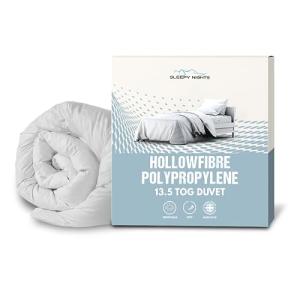





As winter approaches, the chill in the air invites one to indulge in the comfort of a warm duvet. However, for many, seasonal changes also bring an increase in allergies caused by dust mites, mold, and other allergens that can accumulate in bedding. The perfect solution lies in a cozy, anti-allergy double duvet that not only keeps you warm but also ensures a healthier sleeping environment. This guide dives into the benefits of using an anti-allergy duvet, its key features, and how to care for it to ensure longevity while tackling some frequently asked questions.
The Importance of an Anti-Allergy Duvet
Winter can be a tough time for allergy sufferers. Traditional bedding can harbor various allergens such as dust mites and pet dander, worsening symptoms in the colder months. An anti-allergy duvet is specially designed to mitigate these issues, providing both comfort and protection during the long nights of winter.
Key Benefits of an Anti-Allergy Duvet
-
Dust Mite Resistance: Anti-allergy duvets are typically crafted from materials that repel dust mites. This feature is essential for those with allergies, as dust mites thrive in warm, humid environments.
-
Breathability: These duvets allow for proper airflow, minimizing moisture buildup that can cause mold growth—a common trigger for respiratory issues.
-
Hypoallergenic Materials: Manufacturers use synthetic fibers or natural materials treated to prevent allergies. Products like microfiber and down alternatives are popular choices.
-
Comfort and Warmth: Despite being designed to fend off allergens, these duvets provide a cozy feeling, ensuring a snug experience during winter nights.
-
Easy Maintenance: Most anti-allergy duvets are machine washable, making them easy to clean and maintain without compromising their protective qualities.
Choosing the Right Anti-Allergy Double Duvet
Selecting the perfect anti-allergy duvet involves understanding various factors. Here are some features to consider:
| Feature | Description |
|---|---|
| Material | Look for hypoallergenic materials like microfiber or specially treated cotton. |
| Filling Type | Opt for synthetic fill or down alternatives that provide warmth without allergens. |
| Construction | Check for baffle box or channel construction that keeps the filling evenly distributed. |
| Weight | Decide on the weight based on your personal comfort level—lightweight for a cooler feel or heavier for maximum warmth. |
| Size | Ensure that the duvet fits your double bed comfortably. Common sizes include 135x200 cm. |
| Care Instructions | Always check if the duvet is machine washable for easy cleaning. |
Common Types of Filling
- Microfiber: Soft, lightweight, and durable, microfiber has hypoallergenic properties making it a popular choice.
- Hollowfibre: Synthetic fibers that provide warmth while being breathable.
- Down Alternatives: Mimics the feel of down without the risk of allergies, often made from polyester or other synthetic materials.
Care Instructions for Your Anti-Allergy Duvet
To maintain the effectiveness and comfort of your anti-allergy duvet over time, proper care is essential. Here’s how to ensure it lasts through multiple winters:
-
Regular Washing: Wash your duvet at least twice a year. Follow the manufacturer’s instructions closely to avoid damaging the fabric or filling.
-
Use Gentle Detergents: Opt for mild, hypoallergenic detergents to prevent any reactions that could irritate allergies.
-
Air Dry: Whenever possible, air dry the duvet to retain its fluffiness. If using a dryer, include dryer balls to help keep the filling well distributed.
-
Protective Cover: Consider using a duvet cover that is also hypoallergenic. This extra layer can provide added protection against dust mites and allergens.
-
Storage: When not in use, store the duvet in a breathable bag to avoid moisture accumulation.
Frequently Asked Questions (FAQs)
1. What makes a duvet anti-allergy?
Anti-allergy duvets are made from materials that naturally resist allergens and are often treated with additional treatments to repel dust mites and reduce the likelihood of mold and mildew.
2. Are anti-allergy duvets more expensive than standard duvets?
Generally, anti-allergy duvets may have a slightly higher price point due to their specialized materials and treatments, but the investment can be worthwhile for the benefits they offer.
3. Can children use anti-allergy duvets?
Yes, anti-allergy duvets are suitable for all ages. In fact, they may be particularly beneficial for children who suffer from allergies.
4. How often should I replace my anti-allergy duvet?
It is recommended to replace your duvet every 5-10 years, but this may vary based on usage and care.
5. Do I still need to wash my duvet if I use a duvet cover?
Yes, washing your duvet is still essential even with a cover, as the duvet can accumulate allergens over time.
Investing in a cozy, anti-allergy double duvet can transform winter nights into a comfortable, restful experience. By understanding the various features to consider when purchasing one, adhering to proper care instructions, and being informed about the benefits, individuals can make a well-informed decision. With the right duvet, winter doesn’t just mean comfort; it also means healthier sleep, free from allergy-induced disruptions. So, as the temperatures drop, snuggle up with the perfect anti-allergy duvet and enjoy restful nights ahead.