Looking for the perfect duvet to cozy up your bunk bed? A good duvet adds warmth and style, making your sleeping space feel inviting and comfortable. Whether you're going for bright colors or soft neutrals, there's a duvet out there that fits your vibe and keeps you snug all night long.
Duvets
Cozy and comfortable options to make your bunk beds extra inviting
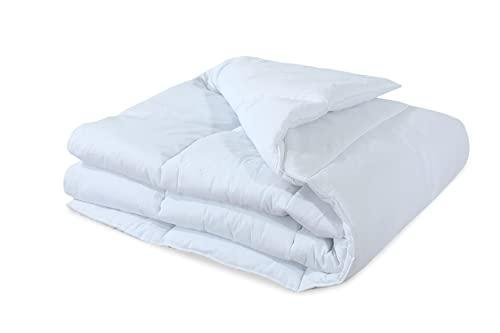
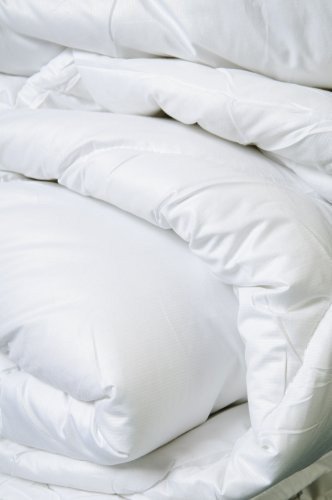
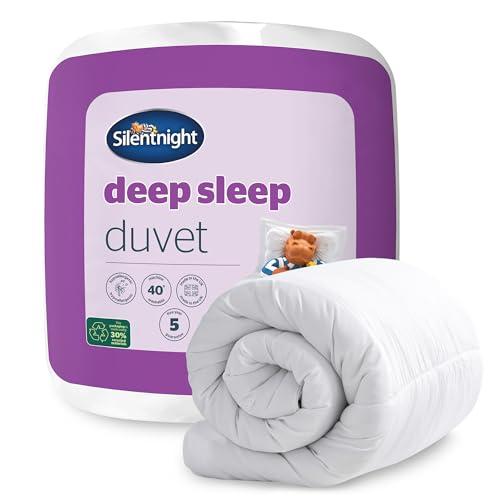
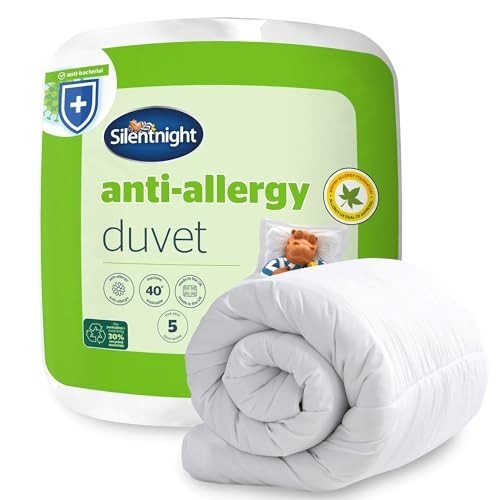
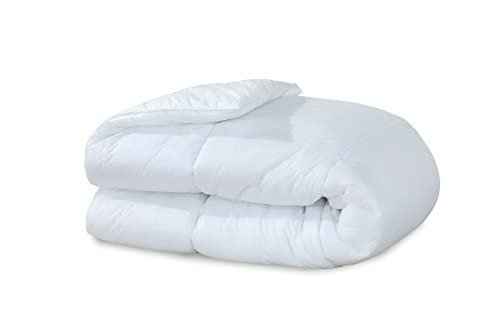
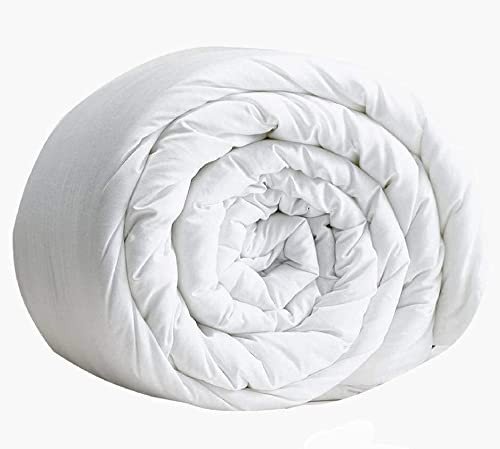
Product List
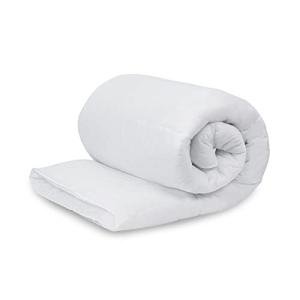
SleepyNights Double Duvet 2.5 Tog
Sleepynights
Product Review Score
4.53 out of 5 stars
62 reviews$56.56
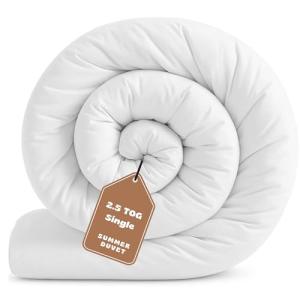
Single Size Duvet Quilt
Gg Gonzalo Gracia
Product Review Score
4.57 out of 5 stars
25 reviews$18.66 $15.85
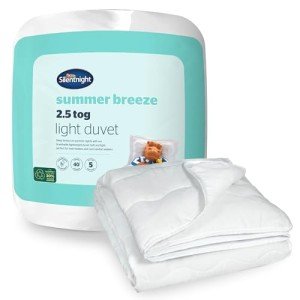
King Size Lightweight Duvet
Yorkshire Bedding
Product Review Score
4.81 out of 5 stars
47 reviews$22.67
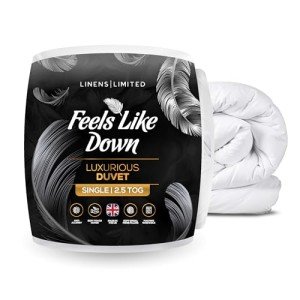
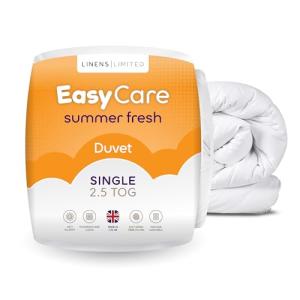
Cozy Bunk Bed Duvet
Linens Limited
Product Review Score
4.46 out of 5 stars
96 reviews$15.94 $14.29
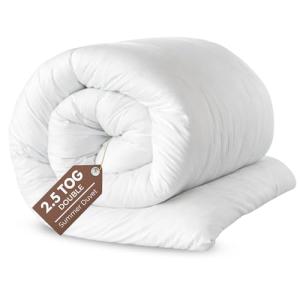
Anti-Allergy Double Duvet
Quality Beddings
Product Review Score
4.43 out of 5 stars
29 reviews$18.66
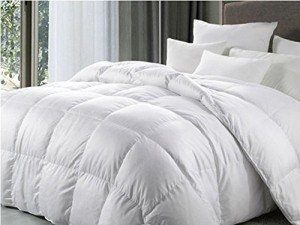
King Size Goose Down Quilt
Viceroy Bedding
Product Review Score
4.41 out of 5 stars
173 reviews$43.89
Cozy Goose Feather Duvet
Viceroy Bedding
Product Review Score
4.62 out of 5 stars
114 reviews$43.89
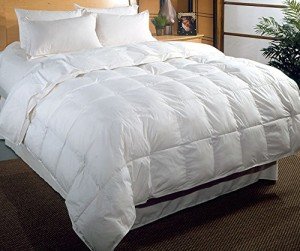
Duck Feather Duvet 2.5 Tog
Viceroy Bedding
Product Review Score
4.42 out of 5 stars
138 reviews$35.89
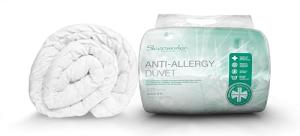
Lightweight Anti-Allergy Duvet
Sleepworks
Product Review Score
4.67 out of 5 stars
69 reviews$21.28
When it comes to getting a good night’s sleep, the importance of choosing the right bedding cannot be understated. Among the various bedding choices, duvets — often referred to as comforters or duvet inserts — stand out for their combination of warmth, comfort, and style. This guide will dive into the world of duvets, covering everything from types and materials to care tips and FAQs.
What is a Duvet?
A duvet is a type of blanket that is filled with insulating material and typically encased in a fabric cover. Unlike traditional blankets, duvets are designed to be used with a removable cover to enhance comfort and cleanliness. The duvet cover also serves a decorative purpose, allowing you to easily change the look of your bedding.
Table 1: Duvet vs. Comforter
| Feature | Duvet | Comforter |
|---|---|---|
| Cover | Requires a separate cover | Typically one piece |
| Style Options | Highly customizable | Limited designs as part of the blanket |
| Maintenance | Easy to wash cover separately | Often requires professional cleaning |
| Insulation | Generally warmer due to higher fill | Varies widely with materials used |
Types of Duvets
Duvets come in various types and materials, each offering unique features. Here are some of the most common types of duvets:
1. Down Duvets
- Material: Down feathers from ducks or geese.
- Pros: Exceptionally warm, lightweight, and breathable.
- Cons: Can be expensive and may not be suitable for allergy sufferers.
2. Synthetic Duvets
- Material: Fibers such as polyester.
- Pros: Hypoallergenic, budget-friendly, and easy to wash.
- Cons: May retain heat and lack the luxurious feel of down.
3. Wool Duvets
- Material: Wool from sheep.
- Pros: Natural temperature regulation and moisture-wicking properties.
- Cons: Heavier than down and can be pricier.
4. Cotton Duvets
- Material: 100% cotton fill.
- Pros: Breathable, easy to care for, and suitable for warmer climates.
- Cons: Generally less warmth when compared to down or wool duvets.
Choosing the Right Duvet
When selecting a duvet, there are several factors to consider:
1. Fill Power
- The measure of the loftiness of down bedding. Higher fill power indicates more insulation and will typically be warmer.
2. Warmth Level
- Warmer duvets generally have a higher fill weight. Consider the seasons or your personal comfort when choosing.
3. Material Preference
- Assess allergies and sensitivity to materials. Down might not suit everyone, while synthetic options can be more hypoallergenic.
4. Size Requirements
- Choose a duvet that fits your bed size (e.g., twin, full, queen, king).
5. Care Instructions
- Some duvets are machine washable, while others require dry cleaning. Always check the care label.
Table 2: Duvet Size Guide
| Size | Dimensions (inches) |
|---|---|
| Single | 68 x 86 |
| Double | 80 x 86 |
| Queen | 88 x 88 |
| King | 104 x 88 |
Care and Maintenance
Caring for your duvet can greatly extend its lifespan and maintain its quality. Here are some essential tips:
1. Regular Fluffing
- Fluffing your duvet regularly helps maintain its loft and warmth.
2. Using a Duvet Cover
- Always use a duvet cover to protect your duvet from dirt and sweat. This also makes cleaning easier.
3. Washing Instructions
- Depending on the material, you may be able to machine wash your duvet, but always check the care label. For down duvets, it’s often recommended to use a front-loading washer.
4. Drying
- If your duvet is wet, ensure it is dried thoroughly to prevent mildew. Using tennis balls in the dryer can help fluff the duvet while drying.
Frequently Asked Questions
1. How often should I wash my duvet?
- It’s advisable to wash your duvet every 6 to 12 months, depending on usage. However, duvet covers should be washed every two weeks.
2. What thickness of duvet should I choose?
- The thickness of the duvet should be based on your personal warmth preference and the climate. Thicker duvets are usually better for colder climates.
3. Can I use a duvet in summer?
- Yes, lightweight duvets or those filled with cotton are suitable for warmer months. Alternatively, you can choose a thinner duvet.
4. How do I store my duvet when not in use?
- Ensure it is clean and dry, and store it in a breathable storage bag in a cool, dry environment to avoid moisture.
5. Is it necessary to use a duvet cover?
- While it’s not strictly necessary, using a duvet cover is highly recommended for hygiene and longevity. It’s easier to wash and can add a decorative touch to your bedroom.
In summary, duvets are a versatile and luxurious option for bedding that can enhance sleep quality and bedroom aesthetics. With an understanding of the different types, fills, and maintenance tips, individuals can make informed choices that suit their specific needs. Whether opting for a plush down duvet or a hypoallergenic synthetic alternative, the right duvet will undoubtedly add comfort and style to any bedroom.